Stamped Concrete vs. Pavers for Commercial Properties: Pros and Cons
People seeking commercial stamped concrete installation aim to enhance durability and aesthetic appeal, and local service providers can help determine the best options between stamped concrete and pavers for their property.
Choosing the right surface for a commercial property’s outdoor spaces can significantly impact both aesthetics and functionality. For property owners exploring stamped concrete vs. pavers for commercial properties: pros and cons, understanding the advantages and limitations of each option is essential. Local contractors specializing in stamped concrete installation often highlight its ability to mimic high-end materials with a seamless look and durability suited for high-traffic areas, making it a popular choice for many commercial settings. Meanwhile, pavers offer flexibility in design and easy repair options, which can be appealing for properties requiring periodic maintenance or customization.
As property owners consider their specific needs and goals, it’s helpful to evaluate how each surface type performs in practical terms. Local service providers can assist in assessing factors like installation complexity, long-term maintenance, and visual appeal-helping to ensure the chosen solution aligns with the property's operational demands. Keep reading to explore the key differences, benefits, and potential drawbacks of stamped concrete versus pavers, and discover how local experts can support a successful installation tailored to commercial properties.
- Commercial stamped concrete installation is ideal for properties seeking durable, decorative surfaces that can mimic high-end materials and withstand heavy foot traffic, with local contractors emphasizing precise finishing techniques. Paver installation is suitable for projects requiring flexible, easily repairable surfaces, often favored by local service providers for their ease of maintenance and customization options. Stamped concrete services are often chosen when a seamless, uniform appearance is desired, with local pros focusing on proper surface preparation to ensure longevity. Paver services are frequently selected for areas needing quick repairs or replacements, as local contractors can efficiently replace individual pavers without disrupting the entire surface. Both stamped concrete and paver installation are approached by local pros based on the specific aesthetic, durability, and maintenance needs of commercial properties.
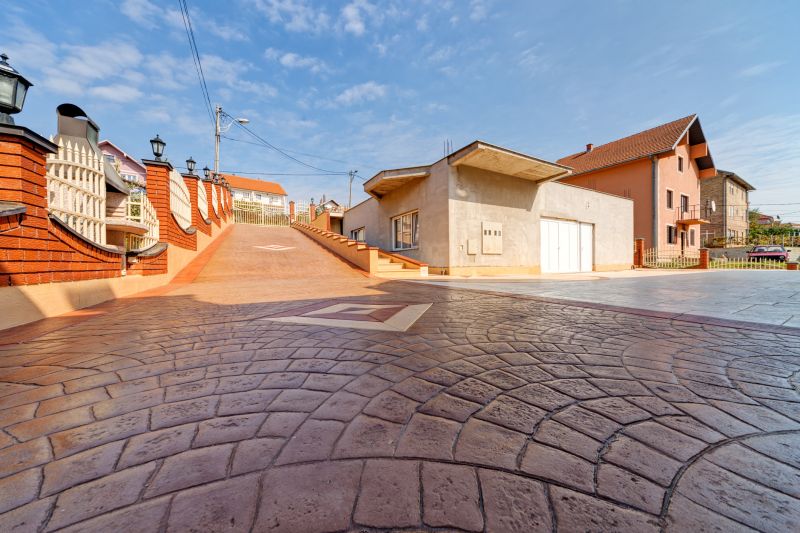
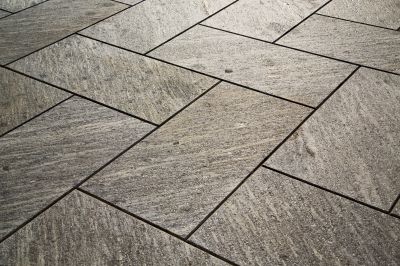
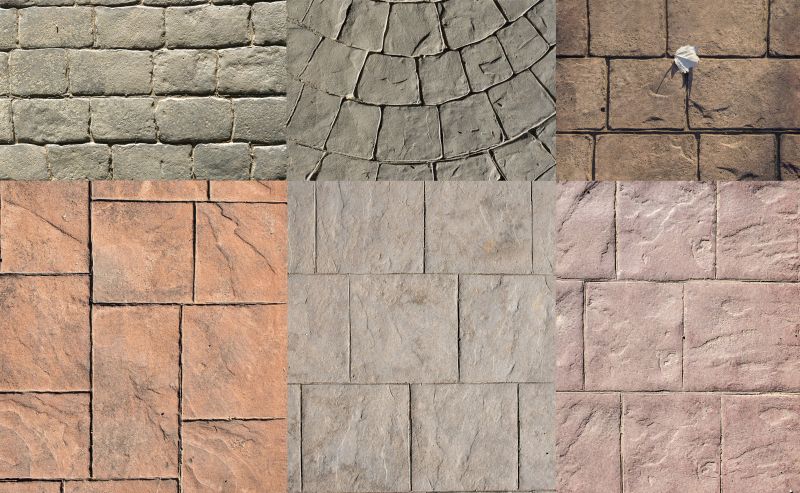
When people search for stamped concrete vs. pavers for commercial properties: pros and cons, they are often exploring options for enhancing outdoor spaces such as parking lots, walkways, entryways, or patios. These searches typically relate to projects aimed at improving the appearance, durability, and functionality of outdoor surfaces on business premises. Property owners and managers consider these options when planning upgrades or renovations that need to withstand heavy foot or vehicle traffic while maintaining an attractive look. The decision-making process involves understanding how each material aligns with project goals, budget constraints, and long-term maintenance needs, making it essential to connect with experienced local contractors who specialize in commercial stamped concrete installation or paver installation.
Commercial properties that frequently come up in these discussions include retail centers, office complexes, hospitality venues, and industrial facilities. These types of properties often require durable, low-maintenance surfaces that can handle frequent use without deteriorating quickly. For example, a shopping mall might look into stamped concrete for its decorative appeal and ease of maintenance, while a warehouse or industrial site might prefer pavers for their ability to be replaced individually if damaged. Each property type has specific needs, such as slip resistance, load-bearing capacity, or aesthetic appeal, which influence whether stamped concrete or pavers are the better choice. Local service providers with experience in commercial projects can help property owners evaluate these factors and recommend the most suitable surface material.
Understanding the advantages and disadvantages of stamped concrete versus pavers helps property owners make informed decisions aligned with their project plans. Stamped concrete offers a seamless, customizable surface that can mimic more expensive materials like stone or brick, often providing a sleek, uniform appearance. It is generally quicker to install and can be more cost-effective initially, making it appealing for large-scale commercial applications. However, stamped concrete can be prone to cracking over time if not properly installed or maintained, and repairs may require replacing entire sections. Pavers, on the other hand, are individual units that can be easily replaced if damaged, offering flexibility and a natural look. They tend to be more labor-intensive to install but can provide better long-term durability and easier repairs, especially on uneven or challenging surfaces.
Choosing between stamped concrete and pavers for commercial properties ultimately depends on specific project requirements, aesthetic preferences, and long-term maintenance considerations. Local contractors experienced in commercial stamped concrete installation or paver installation can evaluate the site conditions, traffic loads, and design goals to recommend the best solution. They can also assist with installation techniques that optimize durability and appearance, ensuring that the chosen surface material performs well over time. By understanding the pros and cons of each option, property owners can select a surface that not only enhances curb appeal but also meets the practical demands of their commercial space. Connecting with knowledgeable local service providers ensures that the project is handled efficiently and to the standards necessary for commercial applications.
Concrete Resurfacing Projects - Local contractors skilled in concrete resurfacing can utilize stamping techniques to enhance existing surfaces, demonstrating expertise relevant to stamped concrete vs. pavers for commercial properties.
Pavement Marking and Line Striping - Professionals experienced in pavement marking often work alongside concrete and paver installers, sharing planning skills and tools for durable, functional outdoor surfaces.
Outdoor Commercial Flooring - Installing durable outdoor flooring for commercial spaces involves planning and skillsets similar to stamped concrete and paver installations, ensuring longevity and aesthetic appeal.
Driveway and Walkway Construction - Building commercial driveways and walkways requires knowledge of surface preparation, material selection, and installation techniques common to stamped concrete and paver projects.
Landscape Hardscaping - Hardscape projects such as patios and plazas involve planning and installation skills that overlap with stamped concrete vs. pavers for commercial properties, emphasizing design consistency and durability.
Parking Lot Paving - Local paving contractors handle large-scale surface installations where surface planning and material durability are key, paralleling considerations in stamped concrete vs. pavers for commercial applications.
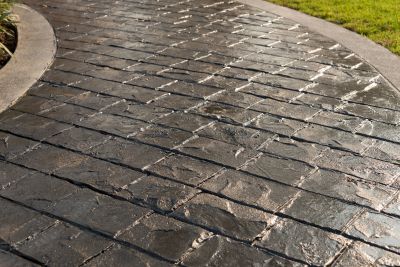
When evaluating contractors for stamped concrete vs. pavers for commercial properties, it is essential to consider their experience with similar projects. Homeowners should inquire about the types of commercial installations they have completed, ensuring that the service providers are familiar with the specific demands and design considerations of stamped concrete or paver surfaces. Contractors with a proven track record in comparable projects are more likely to understand the nuances involved and deliver results that meet expectations. Requesting references or examples of past work can provide valuable insight into their expertise and help determine if they have the relevant experience for the scope and scale of the project.
Clear written expectations are a critical aspect of selecting the right service provider for commercial stamped concrete installation. It is advisable to discuss project details thoroughly and obtain a detailed scope of work, including materials, finishes, and any customization options. A reputable contractor will be able to communicate the process, potential challenges, and outcomes in a straightforward manner, reducing the likelihood of misunderstandings. Having a well-defined plan and documented expectations ensures that both parties are aligned, which can lead to smoother project execution and a final result that aligns with the property owner’s vision.
Reputable references and effective communication are vital when choosing local contractors for stamped concrete vs. pavers. Homeowners should seek out providers who can offer reliable references from previous commercial projects, especially those similar in size and complexity. Good communication throughout the process-whether through regular updates, prompt responses to questions, or clarity about timelines-helps build trust and confidence in the contractor’s professionalism. Contractors who prioritize transparent communication and have positive references are generally better equipped to handle the intricacies of commercial installations, ensuring that the project progresses efficiently and meets the property owner’s standards.
Property owners often search for stamped concrete vs. pavers for commercial properties: pros and cons when they are planning practical projects around their homes and businesses. Local pros provide Commercial Stamped Concrete Installation services for everyday jobs and straightforward project options.
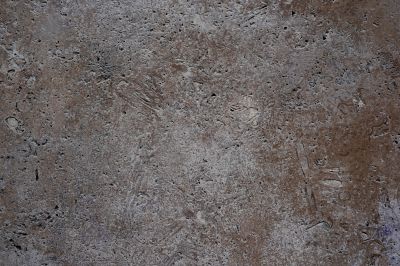
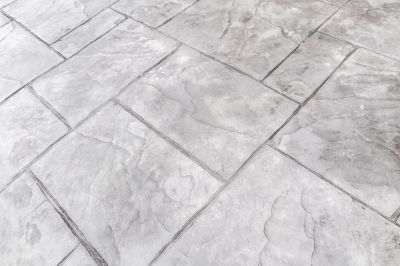
When considering stamped concrete versus pavers for commercial properties, property owners often look at factors like durability, maintenance, and visual appeal. Stamped concrete tends to offer a seamless surface that can mimic more expensive materials such as stone or brick, making it a popular choice for high-traffic areas like walkways and patios. Pavers, on the other hand, provide a modular look with individual units that can be replaced easily if damaged, which can be advantageous for areas prone to heavy use or occasional impact. Local contractors experienced in commercial stamped concrete installation can help property owners weigh these options based on specific project needs, ensuring the chosen surface meets both aesthetic and functional requirements.
In everyday project situations, property owners might prefer stamped concrete for its quick installation and relatively low maintenance, especially when looking for a uniform appearance across large areas. Pavers might appeal to those who prioritize flexibility in repairs or want a more traditional, textured look. Both options have their pros and cons, and local service providers can assist in evaluating factors like slip resistance, installation complexity, and long-term upkeep. Connecting with experienced contractors can help ensure that the selected surface not only enhances the property’s appearance but also withstands the demands of a busy commercial environment.
What are the main advantages of stamped concrete compared to pavers for commercial properties? Stamped concrete offers a seamless surface with customizable patterns and colors, providing a cohesive look that can mimic more expensive materials. It generally requires less maintenance and can be installed more quickly than pavers, making it a popular choice for large commercial areas.
What are the benefits of choosing pavers over stamped concrete for commercial projects? Pavers are highly durable and can be easily replaced if damaged, allowing for flexible repairs. They also provide better drainage and slip resistance, which can be important for certain commercial environments.
Are there any drawbacks to stamped concrete for commercial use? Stamped concrete can be prone to cracking over time, especially if not installed properly or if the subgrade shifts. It may also require periodic sealing to maintain its appearance and durability.
What considerations should be made when selecting between stamped concrete and pavers for a commercial property? Factors such as traffic load, desired aesthetic, maintenance requirements, and site conditions should be considered. Local contractors can assess the site and recommend the best option based on these needs.
How can local service providers assist with stamped concrete installation for commercial properties? Local contractors experienced in stamped concrete installation can handle the project, ensuring proper preparation, patterning, and finishing to achieve a durable and attractive surface tailored to the property's needs.
Assessing durability needs - property owners can evaluate whether stamped concrete or pavers better withstand high traffic and heavy loads in their commercial spaces, with local contractors providing guidance.
Considering aesthetic goals - choosing between stamped concrete and pavers involves matching the desired look and style for the property, which local pros can help customize through installation.
Planning for maintenance - understanding the upkeep requirements of each surface type helps property owners select options that align with their maintenance capabilities, with local service providers offering advice.
Evaluating installation complexity - deciding on a surface involves considering installation time and disruption, where experienced contractors can efficiently handle either stamped concrete or paver projects.
If you are thinking about stamped concrete vs. pavers for commercial properties: pros and cons for a property, this guide is meant to help you understand this topic, the typical project types, and how different options might fit your plans.
When you are ready, you can use the quote form on this page to share a few details about your project. From there, local pros can review the basics and follow up with options that match what you have in mind.